The Challenge

& The Answer

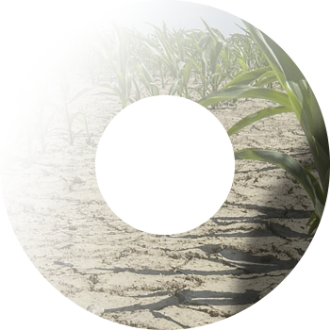
Food security and rural poverty are two of the world’s most pressing, interrelated challenges.

Population growth, climate change and accelerated soil erosion are putting our food system under unprecedented pressure.

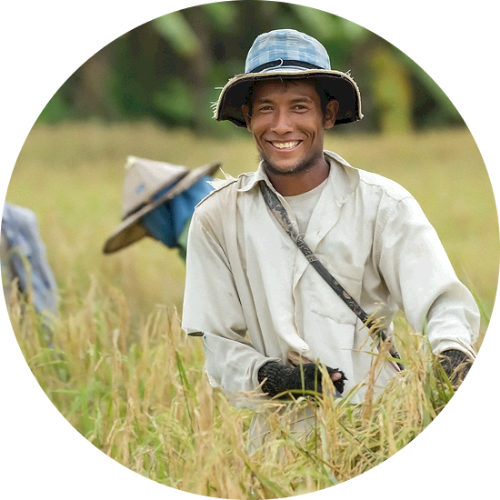
Sustainable smallholder farming is lauded by the UN as a key solution. At the same time, at least half of the world’s over 2 billion smallholder farmers live in absolute poverty. Improving their yields and livelihoods is a moral imperative and a cornerstone of our common future.

Food security and rural poverty are
two of the world’s most pressing,
interrelated challenges.

Population growth,
climate change and
accelerated soil erosion
are putting our food system
under unprecedented pressure.

Sustainable smallholder farming is lauded by the UN as a key solution. At the same time, at least half of the world’s over 2 billion smallholder farmers live in absolute poverty. Improving their yields and livelihoods is a moral imperative and a cornerstone of our common future.

The Challenge

& The Answer

Food security and rural poverty are two of the world’s most pressing, interrelated challenges.

Population growth, climate change and accelerated soil erosion are putting our food system under unprecedented pressure.

Sustainable smallholder farming is lauded by the UN as a key solution. At the same time, at least half of the world’s over 2 billion smallholder farmers live in absolute poverty.

Improving their yields and livelihoods is a moral imperative and a cornerstone of our common future.

But why is large-scale, industrial farming unable to deal with the problem? And why are smallholders the solution? What is it exactly that holds them back, and how can we help? You’ll find the answers to all of these questions in our quick summary below.

But why is large-scale, industrial farming unable to deal
with the problem? And why are smallholders the solution?
What is it exactly that holds them back, and how can we help?
You’ll find the answers to all of these questions
in our quick summary below.

A formidable challenge

By 2050, worldwide demand for
food is likely to increase by 70%.

The UN warns that resource-intensive
industrial farming alone cannot meet that demand.
Its productivity is already plateauing, while it is causing

  • soil depletion
  • water scarcity
  • dead zones in our oceans
  • high levels of greenhouse gas emissions
  • a loss of biodiversity
  • nutrition imbalance leading to health problems worldwide, and
  • mass migration into urban areas leading to severe social and economic stress.

Industrial farming has helped feed the world in the past, but at an unsustainable cost. Environmental, social and health crises are compelling us to find a better solution for the future. Fortunately, it’s in front of our eyes.

A clear solution

Smallholders currently feed 80% of the developing world

Small farms employ more people, and are better able to utilize biodiversity. This is why, when they use the right practices and tools, their productivity is proven to surpass that of industrial farming.

Compared with industrial farming, they also

  • use fewer natural resources
  • grow healthier produce
  • maintain diverse ecosystems, therefore
  • create a more resilient food system, and
  • provide livelihoods for 2.2 billion people.

The UN has conducted a global overview, and found that smallholders using sustainable best practices can increase their yields by 79% on average, and in large areas can double food production within a decade or less.

It is proven that smallholders are able to feed the future.

The obstacles

Despite their potential, most smallholders today are unable to
increase their productivity, and are trapped in a
vicious cycle of poverty. They lack

  • information that could help them de-risk farming and
    increase yields and incomes sustainably
  • access to affordable, high quality seeds and sustainable inputs
  • access to markets that pay fair prices
  • access to logistics

Blooom changes all of this.

Our platform addresses the systemic causes of smallholder poverty, and turns small farms into thriving, sustainable businesses.

Smallholders are the solution to feeding the world —
and Blooom is the solution for smallholders.

A formidable challenge

By 2050, worldwide demand for food is likely to increase by 70%.

The UN warns that resource-intensive industrial farming alone cannot meet that demand.

Its productivity is already plateauing, while it is causing

  • soil depletion
  • water scarcity
  • dead zones in our oceans
  • high levels of greenhouse gas emissions
  • a loss of biodiversity
  • nutrition imbalance leading to health problems worldwide, and
  • mass migration into urban areas leading to severe social and economic stress.

Industrial farming has helped feed the world in the past, but at an unsustainable cost. Environmental, social and health crises are compelling us to find a better solution for the future. Fortunately, it’s in front of our eyes.

A clear solution

Smallholders currently feed 80% of the developing world

Small farms employ more people, and are better able to utilize biodiversity. This is why, when they use the right practices and tools, their productivity is proven to surpass that of industrial farming.

Compared with industrial farming, they also

  • use fewer natural resources
  • grow healthier produce
  • maintain diverse ecosystems, therefore
  • create a more resilient food system, and
  • provide livelihoods for 2.2 billion people.

The UN has conducted a global overview, and found that smallholders using sustainable best practices can increase their yields by 79% on average, and in large areas can double food production within a decade or less.

It is proven that smallholders are able to feed the future.

The obstacles

Despite their potential, most smallholders today are unable to increase their productivity, and are trapped in a vicious cycle of poverty. They lack

  • information that could help them de-risk farming and increase yields and incomes sustainably
  • access to affordable, high quality seeds and sustainable inputs
  • access to markets that pay fair prices
  • access to logistics

Blooom changes all of this.

Our platform addresses the systemic causes of smallholder poverty, and turns small farms into thriving, sustainable businesses.

Smallholders are the solution to feeding the world — and Blooom is the solution for smallholders.

Logo Blooom White

© Blooom International AG

Switzerland | India
we@blooom.farm

Brand, messaging and website by

Logo WW

© Blooom International AG

Switzerland | India
we@blooom.farm

Brand, messaging
and website by